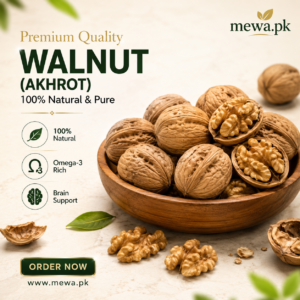

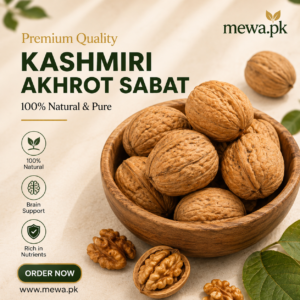
Whole Walnuts (Akhrot Sabat) – Natural & Pure -Buy whole walnuts (Akhrot Sabat) online in Pakistan.
Original price was: ₨ 2,500.₨ 2,000Current price is: ₨ 2,000.

Original price was: ₨ 2,500.₨ 2,000Current price is: ₨ 2,000.
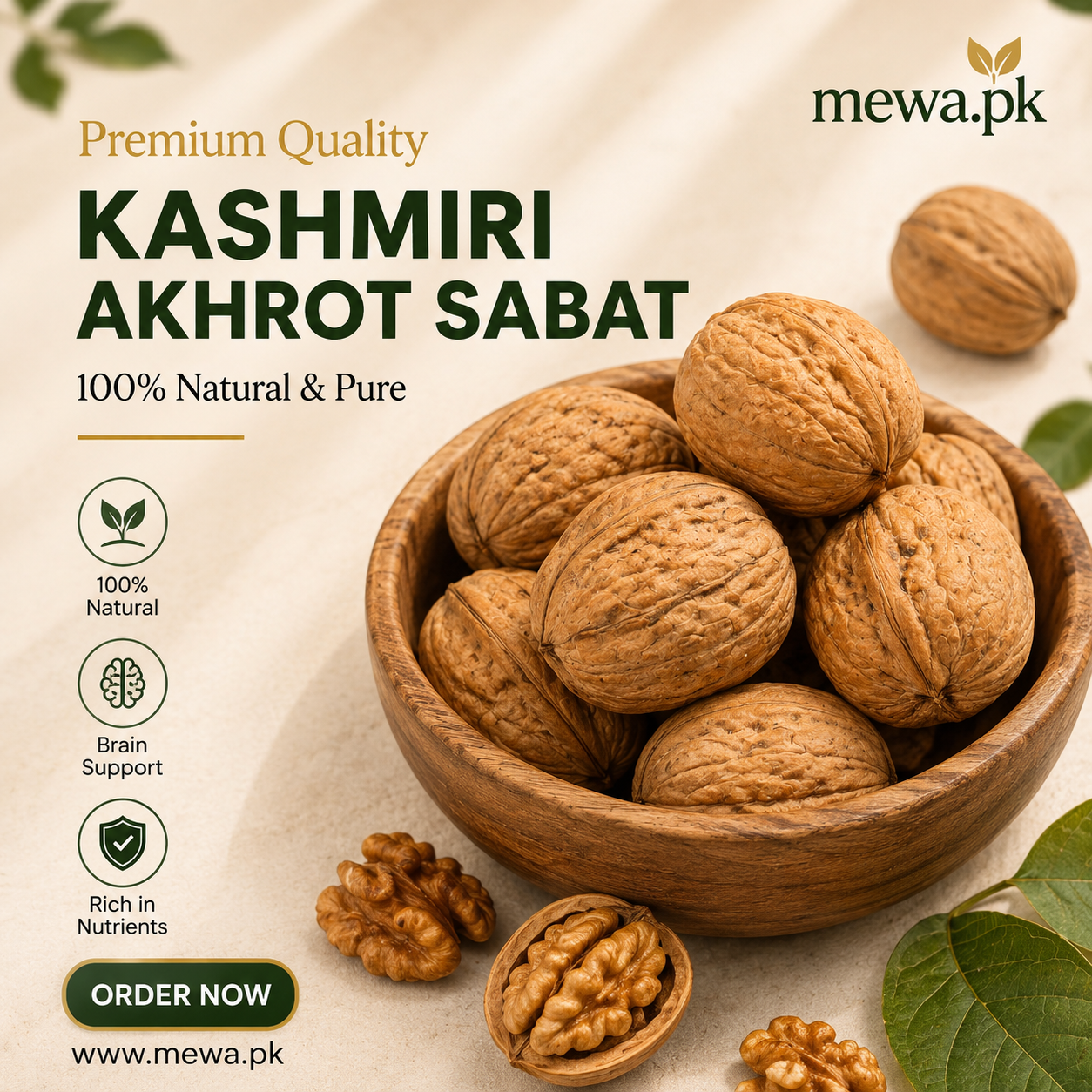
Akhrot Sabat — whole walnuts in their shell — are sourced directly from the mountain farms of Gilgit-Baltistan, one of Pakistan’s most productive nut-growing regions. They’re naturally high in omega-3 fatty acids, antioxidants, and dietary fiber, with zero additives or preservatives. If you’re looking for a clean, nutrient-rich snack that actually does something for your body, this is a solid place to start.
Akhrot Sabat are whole, shell-on walnuts — the same nut you know, just kept in their natural form. The shell isn’t just packaging. It protects the walnut inside from moisture, light, and air, which means the nut stays fresher for longer without needing any preservatives.
Walnuts (Juglans regia) have been grown in the mountain valleys of Gilgit-Baltistan for centuries. The altitude, cold nights, and clean water of that region produce walnuts with a richer flavor and higher oil content than most commercially farmed varieties. At Mewa.pk, we source directly from those farms — no middlemen, no chemical treatments, no artificial anything.
A lot of brands sell walnuts. Here’s what’s actually different about ours:
Shell-on for maximum freshness. The shell acts as a natural seal. It keeps oxygen and humidity away from the nut inside. Shell-on walnuts stay fresh significantly longer than pre-shelled ones — and you taste the difference.
Sourced from Gilgit-Baltistan. This region sits at high altitude, with cold winters and mineral-rich soil. These conditions produce walnuts with a deeper flavor and better fat profile than lowland-farmed alternatives. It’s not marketing — it’s geography.
No additives or preservatives. Our akhrot sabat contain exactly one ingredient: walnuts. No coating, no flavoring, no sulfur treatment, no added oils. Just the nut as it comes off the tree.
100% natural and vegan. Nothing animal-derived, nothing synthetic. Safe for vegans, vegetarians, and anyone eating clean.
Farm to table. We work directly with farmers in Pakistan’s mountain regions. That means better quality control and fresher product — from the farm to your hands.
Walnuts are genuinely one of the most researched nuts in nutrition science. Most people know they’re “good for you” — but here’s what the numbers actually look like. A standard 28g serving (about a small handful) of walnuts contains roughly:
Walnuts are the only common tree nut with a significant amount of ALA — a plant-based omega-3 fatty acid. One 28g serving provides about 1.7g of ALA, which exceeds the daily recommended intake for most adults. Omega-3s are linked to reduced inflammation, better heart function, and improved brain health.
Walnuts have one of the highest antioxidant levels among all nuts. They contain vitamin E, melatonin, and polyphenols — especially in the thin papery skin around the nut. These compounds help the body fight oxidative stress, which is connected to aging and chronic disease.
About 65% of a walnut’s weight is fat — but it’s mostly polyunsaturated fat, including linoleic acid and ALA. These fats support healthy cholesterol levels by reducing LDL (the “bad” kind) without lowering HDL (the “good” kind). That’s a meaningful distinction.
Each 28g serving of walnuts contains about 2g of fiber. That might not sound like much, but walnuts are typically eaten alongside other whole foods — and every gram adds up toward the 25–30g daily target most people don’t reach.
Walnuts are a reliable source of magnesium (about 45mg per 28g) and phosphorus (about 98mg per 28g). Magnesium supports muscle function, sleep, and blood sugar regulation. Phosphorus works with calcium to maintain bone structure.
These trace minerals are easy to overlook but important. Copper supports iron metabolism and immune function. Manganese activates enzymes involved in bone formation and metabolism. A single serving of walnuts provides over 50% of the daily value for both.
People concerned about heart health. The omega-3 content and healthy fat profile of walnuts are well-studied for cardiovascular benefits. Research consistently links regular walnut consumption to lower LDL cholesterol and better arterial function.
Students and working professionals. Walnuts are one of the few foods with strong evidence for supporting brain function. The combination of omega-3s, antioxidants, and vitamin E supports cognitive performance and memory. A handful before an exam or a long work session isn’t a bad idea.
People with diabetes or blood sugar concerns. Walnuts have a low glycemic index and don’t spike blood sugar. The healthy fats and fiber slow digestion and help stabilize glucose levels. As always, consult your doctor for personalized guidance if you’re managing diabetes.
Pregnant women. ALA omega-3s support fetal brain and eye development. Walnuts also provide folate, iron, and calcium — nutrients that matter during pregnancy. Check with your doctor before making significant dietary changes during pregnancy.
Athletes and physically active people. The protein, healthy fats, and magnesium in walnuts support muscle recovery and reduce inflammation after exercise. They’re a practical, portable post-workout snack.
Older adults. The antioxidants and omega-3s in walnuts are associated with better cognitive health in aging. The magnesium and phosphorus content also supports bone and muscle maintenance.
Vegans and plant-based eaters. Walnuts are one of the best plant-based sources of omega-3 fatty acids — a nutrient that’s harder to get without fish. They’re a useful addition to any plant-based diet.
Eat them as a daily snack. Crack open 5–7 walnuts (about 28g) and eat them as a mid-morning or afternoon snack. Pair with a piece of fruit for a more balanced option.
Add to oatmeal or porridge. Roughly chop a few walnuts and mix into your morning oats with a drizzle of honey. It adds crunch, flavor, and keeps you fuller longer.
Blend into chutneys and sauces. Ground walnuts work well in traditional Pakistani chutneys and raitas. They add a creamy, nutty depth without overpowering other flavors.
Mix into salads. Toasted walnut halves add texture and nutrition to any salad. They pair especially well with greens, pomegranate seeds, and a light lemon dressing.
Use in baking and cooking. Chopped walnuts work well in cookies, banana bread, energy bars, and halwa. They’re also good stirred into rice dishes or added to qeema for extra texture.
Soak overnight for easier digestion. Soaking 4–5 walnuts in water overnight and eating them in the morning is a common practice in Pakistan. Soaking reduces tannins on the skin, which can make them easier to digest and slightly milder in taste.
Shell-on walnuts are easy to store. Keep them in a cool, dry place — a pantry or kitchen cabinet works fine. Away from direct sunlight and heat, they’ll stay fresh for up to a year in their shells.
Once you crack them open, the shelled walnuts should go into an airtight container. At room temperature, shelled walnuts stay good for about a month. In the fridge, they last 6 months. In the freezer, up to a year. This matters because walnut oil can go rancid if exposed to heat and air for too long — and rancid walnuts taste bitter and lose their nutritional value.
Akhrot Sabat are whole walnuts still in their shell. The key difference is freshness — the shell acts as a natural barrier against air, light, and moisture, which are the main causes of rancidity in nuts. Shell-on walnuts stay fresh longer without needing preservatives. You crack them open yourself before eating, which means you always get the freshest possible nut.
Eating walnuts daily supports heart health, brain function, and digestion. A 28g serving provides about 1.7g of omega-3 fatty acids, 4g of protein, 2g of fiber, and significant amounts of magnesium, copper, and manganese. Studies show that regular walnut consumption is linked to lower LDL cholesterol, reduced inflammation, and better cognitive performance. Around 5–7 walnuts per day is a reasonable daily amount for most adults.
Yes, walnuts are generally considered safe for people with diabetes. They have a very low glycemic index, meaning they don’t cause a rapid spike in blood sugar. The healthy fats and fiber in walnuts actually help slow glucose absorption. However, portion control still matters — stick to a small handful per day. Always consult your doctor if you’re managing diabetes with medication.
Walnuts from Gilgit-Baltistan are grown at high altitude in cool, mineral-rich conditions, which tends to produce nuts with a richer flavor and better oil content. The region has been growing walnuts for centuries using traditional farming methods, without the intensive pesticide use common in large commercial operations. While all walnuts share similar nutritional profiles, the growing conditions in Gilgit-Baltistan consistently produce a higher-quality product.
In their shell, whole walnuts can last up to 12 months when stored in a cool, dry place away from sunlight. Once shelled, they should be kept in an airtight container — up to 1 month at room temperature, 6 months in the fridge, or 12 months in the freezer. The shell is a natural preservative, so keeping them whole for as long as possible is the best way to maintain freshness.
You can buy natural, farm-sourced whole walnuts online in Pakistan from Mewa.pk. Mewa.pk sources Akhrot Sabat directly from Gilgit-Baltistan, with no additives, no preservatives, and no artificial treatments. Delivery is available across Pakistan. Visit Mewa.pk to place your order.






 Home
Home  Whishlist
  Checkout
  Account