Pistachios (Pista) – No Artificial Salt, Eye Health Nut | Mewa.pk
Original price was: ₨ 3,400.₨ 3,000Current price is: ₨ 3,000.
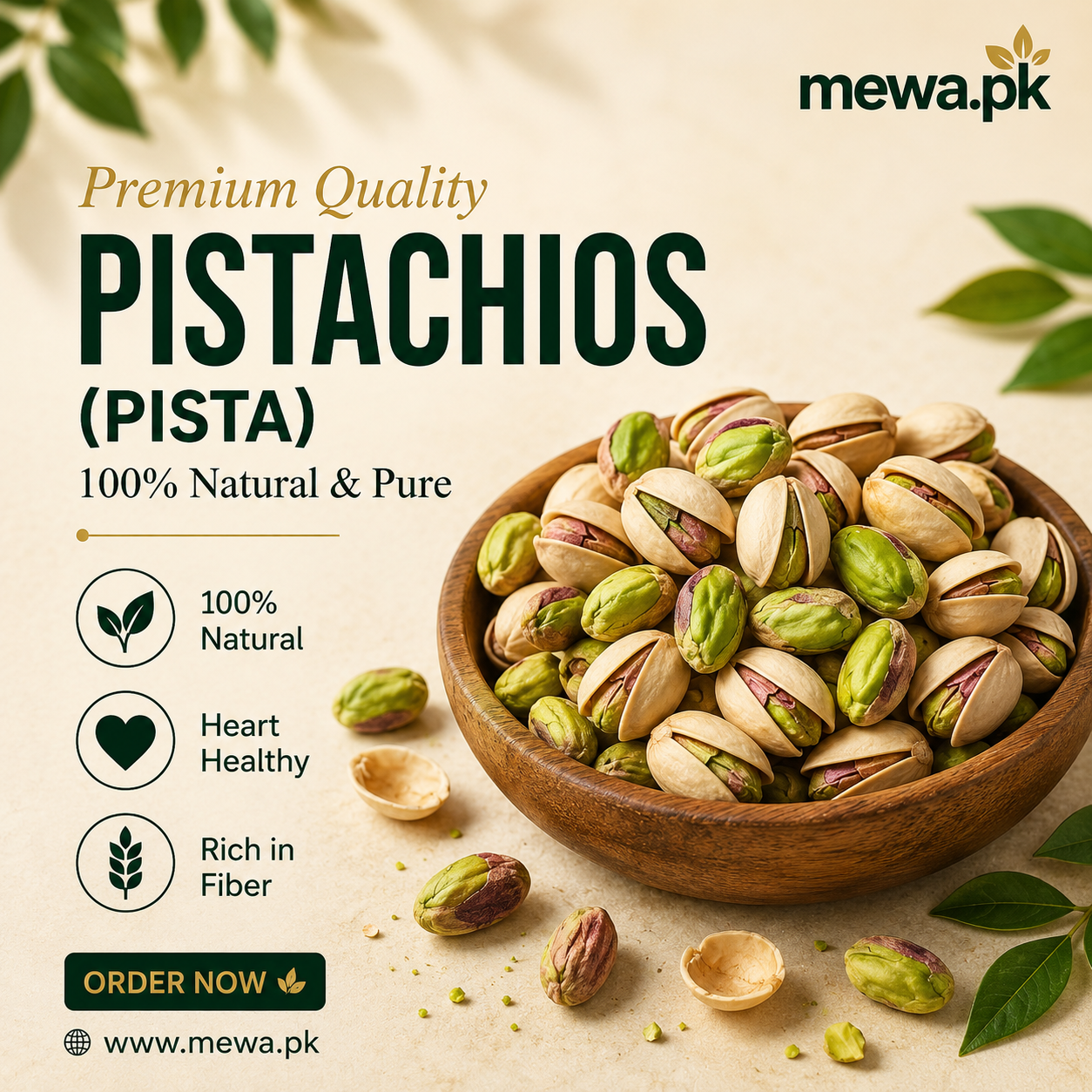
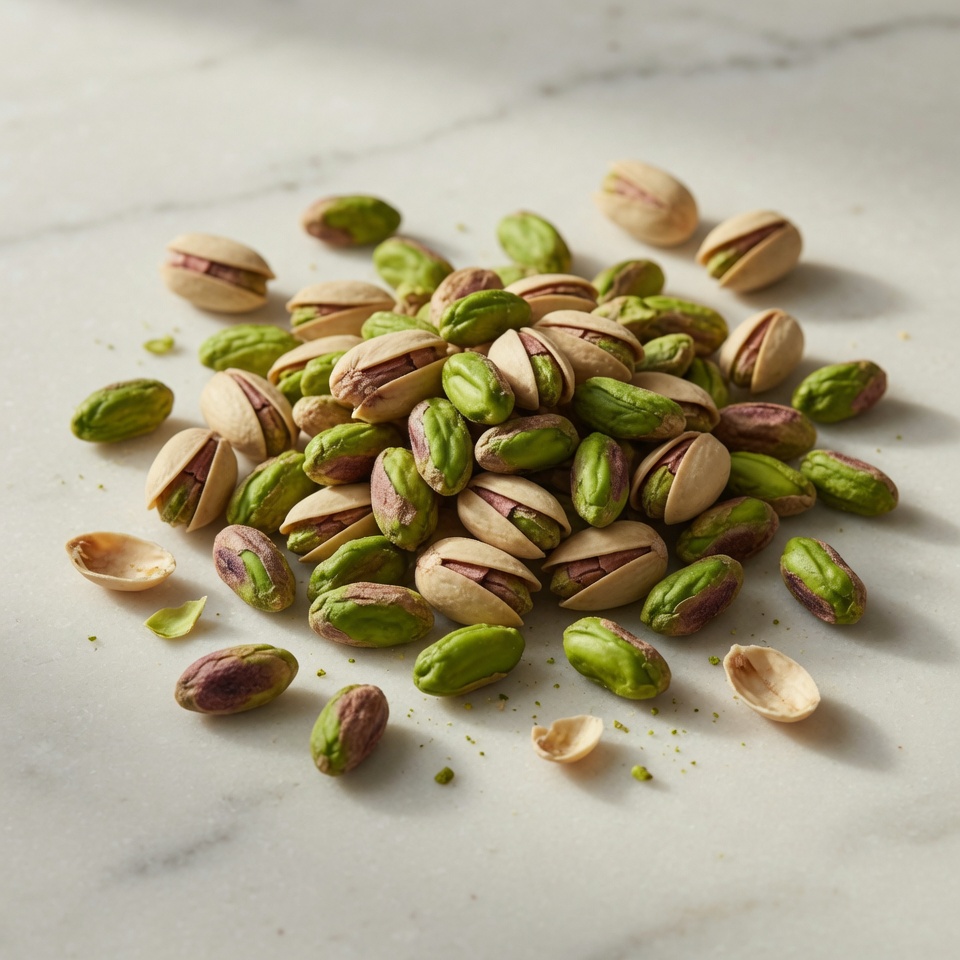
Pistachios (Pista) from Mewa.pk are one of the most nutrient-dense nuts you can eat — and most people in Pakistan are still underrating them. A single 28g handful gives you 6g of protein, more fiber than most nuts, and something no other nut on the market provides: lutein, the antioxidant your eyes actually need. No artificial colouring. No chemical preservatives. Just real Pista, sourced clean. If you eat pista regularly with chai, you’re already doing something right. Here’s why it works.
Pista — The One Nut Most People in Pakistan Don’t Fully Understand
Everyone knows pista tastes good. But most people don’t know that pistachios are actually different from every other nut — not just in flavour, but in what they do for your body. Out of all the tree nuts in the world — almonds, walnuts, cashews, pecans, hazelnuts — pistachios are the only one that contains a meaningful amount of lutein. That one fact alone makes them worth paying attention to.
Lutein is a natural plant pigment that builds up in the retina of your eye and protects it from blue light damage — the same blue light coming from your phone and laptop screen right now. A 2024 study from Tufts University found that eating 57g of pistachios daily for 12 weeks significantly increased macular pigment optical density — a direct measure of how well protected your eyes are. No other nut tested has shown the same effect.
Lutein — the fact no one is talking about in Pakistan
Most people associate eye health with carrots or spinach. But pistachios are the only nut that contains substantial amounts of lutein — a fat-soluble antioxidant that accumulates directly in the macula of your eye. The macula is the part of your retina responsible for sharp central vision. Lutein acts as a natural filter for harmful blue light. A 2024 randomised controlled trial published in the Journal of Nutrition showed that lutein blood levels nearly doubled in participants who ate 57g of pistachios daily for 12 weeks.
So your after-chai pista habit? It’s doing more than you thought.
Vitamin B6 — the one people forget
Pistachios are one of the most Vitamin B6-rich foods available. B6 supports blood sugar regulation, helps the body form haemoglobin (which carries oxygen in red blood cells), and plays a role in nerve function. Most nuts don’t come close to the B6 content in pista.
Protein and fiber — a rare combination
Compared to other tree nuts, pistachios have the lowest total fat and the highest protein, fiber, and phytosterol content. That combination is what makes them unusually filling for their calorie count. 49 kernels at 159 calories is a snack that keeps you full — not just one that tastes good.
Heart health
Around 80% of pista’s fat is mono and polyunsaturated — the same type of fat linked to reduced LDL cholesterol and better cardiovascular health. Regular pistachio intake has been shown to improve blood lipid markers and reduce risk factors for heart disease.
Who Should Eat Pista — and Who Should Be Careful
- People who use screens all day: Lutein in pista directly protects against blue light damage to the eyes. This applies to most working adults in Pakistan now.
- People with diabetes or prediabetes: A 2024 study found that eating 57g of pistachios after dinner may be a useful nighttime snack for people with prediabetes, with positive effects on blood glucose levels. Always consult your doctor first.
- People trying to manage weight: The shell-cracking process slows eating naturally, which reduces how much you eat in one sitting. Pista with the shell is genuinely better for portion control than shelled nuts.
- Athletes and active people: 6g protein and healthy fats per handful makes pista a practical post-workout snack.
- Older adults: Lutein also crosses the blood-brain barrier. Studies suggest higher lutein levels are linked to better memory and cognitive performance — making pista a practical addition to the diet for healthy ageing.
- Pregnant women: B6, folate, and iron content in pista supports healthy fetal development. Check with your doctor on quantities.
- Children: Good energy source, but always supervised — pista is a choking risk for very young children. Check for nut allergies first.
How to Eat Pista — Beyond Just Snacking
- With chai, the traditional way. A handful of pista with afternoon chai is one of Pakistan’s most common snack habits — and it turns out it’s a nutritionally sound one. The fat in pista also helps absorb lutein more effectively.
- On top of kheer or firni. Chopped pista adds texture and a mild flavour to Pakistani desserts. Our clean pista won’t leave a chemical aftertaste on your dessert.
- In biryani garnish. Whole or halved pista is used in dum biryani and pulao across Pakistan — adds a satisfying bite without altering the dish’s taste.
- As a late-night snack. A 2024 research study found that eating pistachios between dinner and bedtime had similar effects on glycemic levels as standard care for people with prediabetes. In simple terms: a small handful of pista after dinner is one of the smarter late-night snack options.
- Blend into smoothies or milkshakes. Unsalted pista blended with milk, a banana, and a pinch of cardamom makes a filling drink with actual protein and good fats.
How to Store Pistachios
Pistachios stay fresh at room temperature in an airtight container for 3–4 months. In the fridge, they last up to a year. The shell actually helps — pistachios in the shell stay fresh longer than shelled kernels because the shell limits oxygen exposure. If they start tasting flat or slightly bitter, they’ve gone stale. Fresh pista should taste mildly sweet and nutty — not sharp. Buy in quantities you’ll finish within a month or two for best flavour.
### What are pistachios called in Pakistan and where do they come from?
Pistachios are called Pista (پستہ) in Pakistan and Urdu. Pakistan grows a small quantity of pistachios in Balochistan (Killa Saifullah, Zhob, Quetta, Loralai) and Chitral in KPK, but most pista sold in Pakistan is imported from Iran, Afghanistan, and the USA. Iran is the largest supplier of pistachios to Pakistan by value. Mewa.pk sources premium pista without artificial additives or excessive salt.
### Are pistachios good for eye health?
Yes — pistachios are the only tree nut that contains substantial amounts of lutein, an antioxidant that accumulates in the retina and protects eyes from blue light damage. A 2024 randomised controlled trial published in the Journal of Nutrition found that eating 57g of pistachios daily for 12 weeks significantly increased macular pigment optical density in healthy adults. This is a direct measure of eye protection against age-related vision damage.
### How many pistachios should I eat per day in Pakistan?
A standard daily serving is 28–42g, which is roughly 49–70 kernels. This provides 6–9g of protein, 3–4.5g of fiber, and meaningful amounts of lutein and Vitamin B6. Eating more than 56g per day adds significant calories without proportional extra benefit and may cause digestive issues in some people due to fiber overload. One to two small handfuls per day is a practical amount for most adults.
### Can diabetics eat pista safely?
Pistachios have a low glycemic index of 28, making them one of the better snack options for people managing blood sugar. A 2024 study found that eating 57g of pistachios after dinner had similar effects on glycemic and blood glucose levels as standard care for people with prediabetes. Their high fiber and protein content slows sugar absorption. However, portion control is important — consult your doctor before adding pista regularly to your diet.
### What is the difference between salted and unsalted pistachios?
Salted pistachios have added sodium, which can be a concern for people with high blood pressure or heart conditions. Unsalted pistachios retain the nut’s natural mild sweetness and are recommended for people monitoring their sodium intake. Research studies on pistachio health benefits typically use unsalted, dry-roasted pistachios. If you want the full nutritional benefit of pista, unsalted or lightly salted is the better choice.
### Where can I buy clean, natural pistachios online in Pakistan?
You can buy pistachios (Pista) from Mewa.pk, sourced without artificial colouring, chemical preservatives, or excessive sodium. We offer natural pista suitable for everyday snacking, cooking, and dessert use, with delivery across Pakistan. Fresh stock is maintained directly from source to minimise time in storage.
Related products
-
Walnut Oil: Walnut Oil Benefits for Skin
Original price was: ₨ 5,650.₨ 5,200Current price is: ₨ 5,200. -
Whole Walnuts (Akhrot Sabat) – Natural & Pure -Buy whole walnuts (Akhrot Sabat) online in Pakistan.
Original price was: ₨ 2,500.₨ 2,000Current price is: ₨ 2,000. -
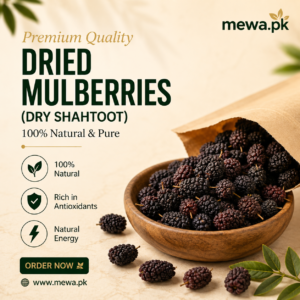
Dried Mulberries (Dry Shahtoot) – No Sugar | Mewa.pk
Original price was: ₨ 2,800.₨ 2,500Current price is: ₨ 2,500.






 Home
Home  Whishlist
  Checkout
  Account