Dried Apricots (Khubani) – Natural, Khubani Price in Pakistan | Mewa.pk
Original price was: ₨ 1,500.₨ 1,200Current price is: ₨ 1,200.
Dried apricots (Khubani) from Mewa.pk are 100% natural, sun-dried, and sourced straight from the mountain valleys of Gilgit-Baltistan — one of the world’s finest apricot-growing regions. No added sugar, no sulfur dioxide, no orange dye. Just real Khubani, the way it grows. They’re packed with Vitamin A, potassium, and iron — and honestly one of the most underrated superfoods sitting in Pakistani kitchens.
What Are Dried Apricots (Khubani)?
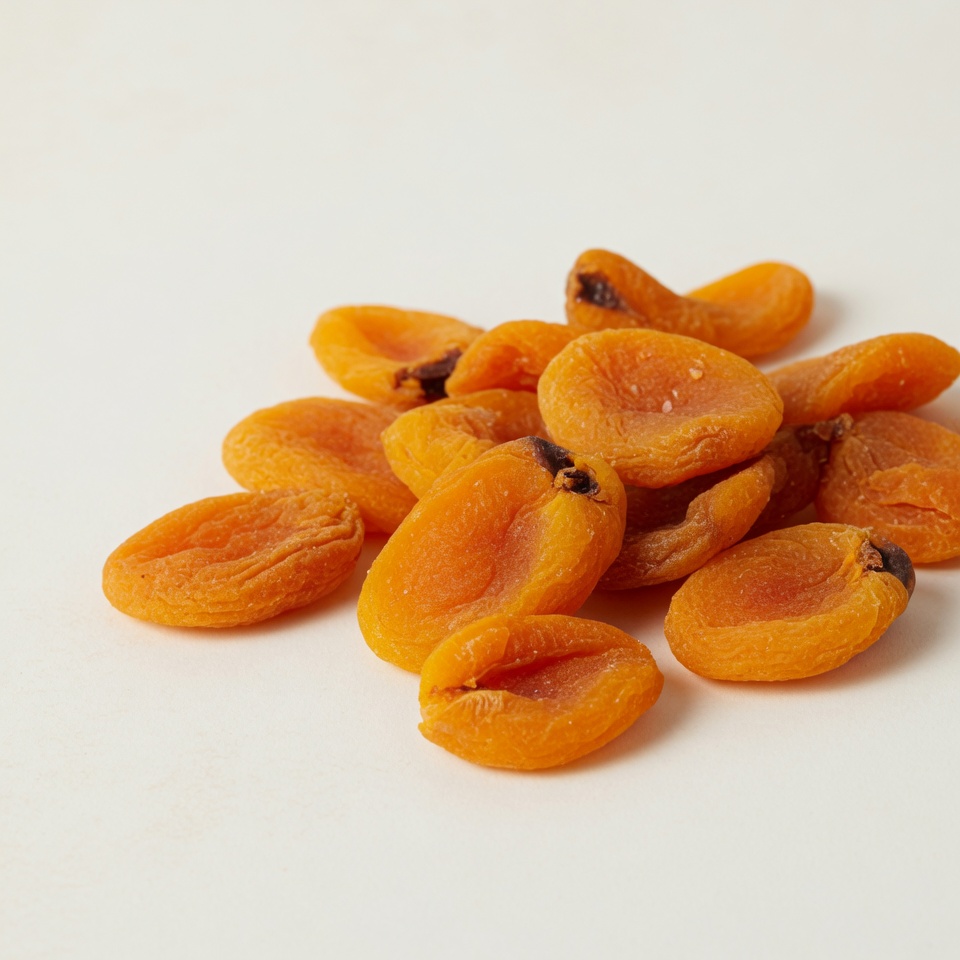
Dried apricots — Khubani in Urdu — are fresh apricots that have been sun-dried to remove moisture while keeping all the good stuff inside. Gilgit-Baltistan in northern Pakistan is one of the most celebrated apricot-growing regions in the world. The high altitude, clean air, and cold nights produce apricots with a depth of flavour that flat-land farms just can’t match. At Mewa.pk, that’s exactly where our Khubani come from.
Here’s something most people don’t know: natural dried apricots are actually brown, not bright orange. That vivid colour you see in supermarket packets? That’s sulfur dioxide — a chemical preservative used to keep the fruit looking “fresh.” Our apricots skip that entirely. Brown is the honest colour.
Why Choose Mewa.pk Dried Apricots?
- No sulfur dioxide (SO₂). This is the big one. Commercial Khubani are almost always treated with SO₂ — a preservative linked to headaches and asthma sensitivity in some people. Ours have none.
- No added sugar. Apricots are naturally sweet. We don’t add anything to compete with that natural flavour.
- Sun-dried, not oven-treated. Traditional sun-drying is slower but preserves heat-sensitive nutrients like beta-carotene and Vitamin A far better.
- Sourced from Gilgit-Baltistan. High-altitude mountain farms, clean soil, no industrial pesticide use. The region has grown apricots for centuries.
- Farm to table. No middlemen, no long cold-storage chains. Fresh stock delivered directly to you.
Nutritional Benefits of Dried Apricots
Think of dried apricots as a concentrated package of nutrients. A 40g serving (roughly 5–6 pieces) gives you:
Vitamin A & Beta-Carotene
Dried apricots are one of the richest plant-based sources of Vitamin A. A 40g serving provides around 180mcg — important for eyesight, skin health, and immune function. The orange pigment in apricots is beta-carotene, which your body converts to Vitamin A.
Potassium
With roughly 488mg of potassium per 40g, Khubani are genuinely useful for heart health and blood pressure regulation. That’s more potassium than you’d get from many popular snack options.
Iron
Dried apricots contain about 0.9mg of non-heme iron per 40g serving. Pair them with something that has Vitamin C — even just a glass of lemon water — and your body absorbs the iron much more effectively.
Fiber
Around 2.4g of fiber per serving supports healthy digestion, keeps you feeling full, and helps regulate blood sugar response after eating.
Who Should Eat Dried Apricots?
- People with weak eyesight or skin issues: The beta-carotene and Vitamin A in Khubani directly support eye health and skin repair.
- Pregnant women: Iron and folate content makes apricots a smart addition during pregnancy — always check with your doctor first.
- Athletes and active people: High potassium helps with muscle recovery and prevents cramping after exercise.
- Kids: Naturally sweet, soft, and easy to eat — a far better snack than packaged sweets.
- Vegans and vegetarians: One of the better plant-based sources of iron and Vitamin A together.
- Diabetics: The fiber slows sugar absorption, but portion control still matters. 2–3 pieces at a time is a reasonable amount. Consult your doctor.
How to Use Dried Apricots
- Eat them as a snack. 4–5 pieces between meals is filling, natural, and takes about 10 seconds to prepare. That’s the whole point.
- Soak overnight. Soaked Khubani become softer and easier to digest — the soaking water is also traditionally used as a light detox drink in Pakistani households.
- Add to morning oats or porridge. Chop 3–4 pieces into your oatmeal. They add natural sweetness without needing sugar or honey.
- Use in cooking. Apricots pair surprisingly well with chicken, lamb, and rice dishes — a classic combination in Gilgit-Baltistan cuisine.
- Blend into smoothies or lassi. 2–3 soaked apricots blended with yoghurt, a banana, and a pinch of cardamom makes one of the better homemade energy drinks you’ll try.
How to Store Dried Apricots
Store in an airtight container away from heat, moisture, and sunlight. At room temperature, they stay fresh for 3–4 months. In the fridge, they’ll last 8–12 months without losing softness or flavour. If they harden slightly over time, soaking them in water for 30 minutes brings them right back. Always seal the packet after opening.
# What are dried apricots called in Pakistan?
Dried apricots are called Khubani (خوبانی) in Pakistan and Urdu. They are widely grown and consumed across Gilgit-Baltistan, which is one of the largest apricot-producing regions in South Asia. Khubani are eaten as a snack, used in traditional cooking, and valued in folk medicine for their nutritional properties.
# Why are natural dried apricots brown instead of orange?
Natural dried apricots are brown because they contain no sulfur dioxide (SO₂). The bright orange colour seen in most commercial dried apricots is caused by SO₂ treatment, which preserves the colour but is a chemical additive. Brown dried apricots, like those from Mewa.pk, are free from sulfur and closer to how the fruit actually dries in nature.
# Are dried apricots good for eyesight?
Yes, dried apricots are one of the best plant-based sources of beta-carotene, which the body converts into Vitamin A — a nutrient essential for eye health. A 40g serving of dried apricots provides around 180mcg of Vitamin A. Regular consumption as part of a balanced diet can support healthy vision, especially in people with low Vitamin A intake.
# Can diabetics eat Khubani?
Diabetics can eat dried apricots in small portions. The dietary fiber in Khubani slows sugar absorption and reduces sharp blood glucose spikes. However, dried apricots are naturally high in sugar, so eating large amounts is not recommended. A portion of 2–3 pieces at a time is generally considered moderate. Always consult a doctor before making dietary changes.
# What is the difference between Mewa.pk Khubani and supermarket dried apricots?
The main differences are sulfur dioxide and added sugar. Most supermarket dried apricots are treated with SO₂ to maintain their bright orange colour and extend shelf life, and many contain added sugar. Mewa.pk dried apricots are 100% natural, sun-dried with no sulfur, no added sugar, and no preservatives. They are sourced from mountain farms in Gilgit-Baltistan, Pakistan.
# Where can I buy natural dried apricots online in Pakistan?
You can buy 100% natural, sulfur-free dried apricots (Khubani) from Mewa.pk. Our apricots are sun-dried, free from added sugar and artificial preservatives, and sourced directly from Gilgit-Baltistan. We deliver across Pakistan with fresh stock straight from mountain farms to your door.
Related products
-
Walnut Kilao | kilao price in Pakistan
Original price was: ₨ 2,500.₨ 2,000Current price is: ₨ 2,000. -
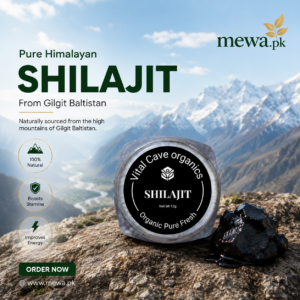
Buy pure Shilajit resin online in Pakistan| Boosts energy, stamina and focus naturally-Order from Mewa.pk
Original price was: ₨ 1,500.₨ 999Current price is: ₨ 999. -
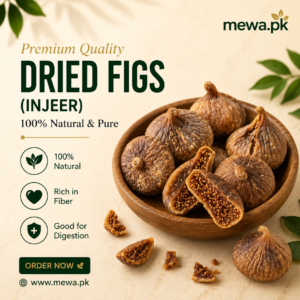
Dried Figs (Injeer) – Natural, No Sugar Added | Mewa.pk
Original price was: ₨ 4,200.₨ 3,600Current price is: ₨ 3,600.




 Home
Home  Whishlist
  Checkout
  Account